Colorado Mentors Bridge Gap: Graduation to Future Readiness
Big Brothers Big Sisters of Colorado highlights the gap between graduation & real-world readiness. Learn how mentors prepare students for college, careers & adulthood.
Press Release Disclaimer: This is a press release distributed through the XPR Media network. It has not been independently verified by our newsroom.
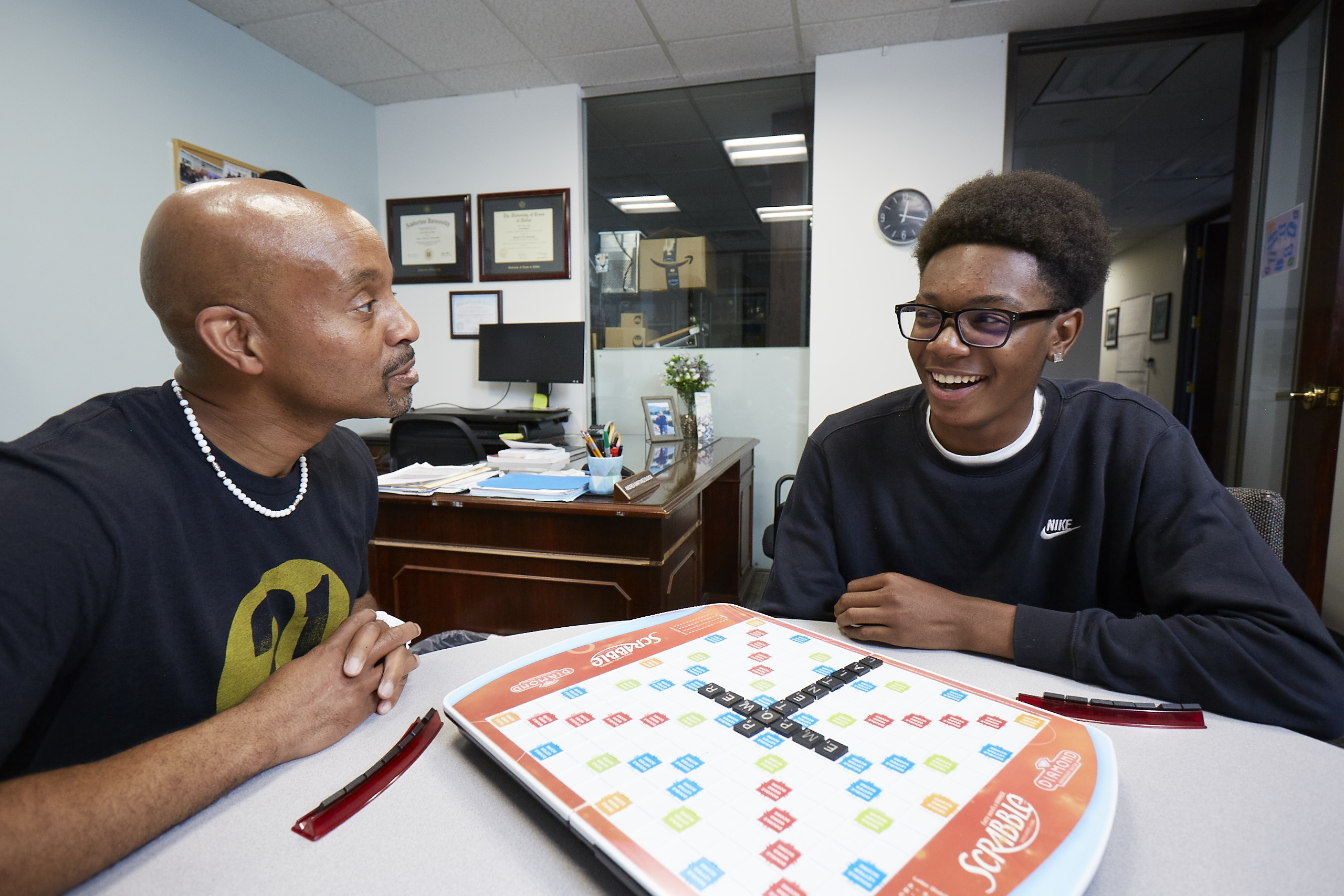

Big Brothers Big Sisters of Colorado Month highlights the gap between earning a diploma and being prepared for college, careers and adulthood
DENVER, CO, UNITED STATES, September 8, 2026 /EINPresswire.com/ — Big Brothers Big Sisters of Colorado Month highlights the gap between earning a diploma and being prepared for college, careers and adulthood
Colorado’s high school graduation rate has reached its highest level in more than a decade—an achievement worth celebrating. But earning a diploma does not always mean a young person is prepared to navigate college, enter the workforce or pursue another pathway after high school.
This September, during Big Brothers Big Sisters of Colorado Month, Big Brothers Big Sisters of Colorado (BBBSC) is calling attention to the role mentors can play in closing the gap between graduation and genuine readiness for the future.
Colorado’s four-year graduation rate reached 85.6% for the Class of 2025, according to the Colorado Department of Education. At the same time, a national survey found that 84% of participating hiring managers believed most recent high school graduates were not adequately prepared to enter the workforce.
For many students, the challenge is not a lack of ambition or potential. It is a lack of access—to career exposure, professional networks, individualized guidance and trusted adults who can help them turn their goals into achievable plans.
“Graduation is an important milestone, but a diploma alone does not tell a young person what to do next or how to get there,” said Elycia Cook, CEO of Big Brothers Big Sisters of Colorado. “Young people need people in their corner who can help them identify their strengths, explore their options and take the next step with confidence. That is where mentorship can make a lasting difference.”
From Academic Struggles to a Vision for College
When Imari first joined BBBSC, his grade-point average was 1.9. He had potential, but he needed consistent encouragement and someone who would continue showing up, reinforcing his abilities and helping him see what was possible.
He found that person in his Big Brother, Spencer.
Throughout their mentoring relationship, Spencer has encouraged Imari academically, helped him remain focused on his goals and supported him as he began thinking seriously about his future. Today, Imari has a 3.1 GPA—and it is still climbing.
Imari now plans to attend college. Just as importantly, he has a mentor helping him understand what reaching that goal will require and encouraging him throughout the process.
Spencer did not complete Imari’s assignments or make decisions for him. He listened, asked questions, reinforced accountability and helped Imari recognize his own capacity to succeed.
Their relationship demonstrates why readiness cannot be reduced to a single class, test or graduation requirement. It develops over time through consistent relationships, real-world experiences, encouragement and opportunities to practice essential life skills.
Mentoring Is Workforce Development
Employers increasingly prioritize communication, collaboration, critical thinking, reliability and adaptability. These are not only workplace skills; they are skills young people develop through relationships and experience.
Mentors can help young people set goals, explore careers, prepare for interviews and applications, practice professional communication and persist when plans become difficult. They can also introduce young people to educational and career pathways that may otherwise feel inaccessible.
Mentors do not replace teachers, counselors, families or workforce-development professionals. They provide another consistent layer of support that helps young people navigate opportunities, overcome setbacks and remain connected to their goals.
“Potential exists in every young person, but access to guidance and opportunity is not equally distributed,” Cook said. “A mentor can help close that gap by making opportunities visible, helping a young person prepare for them and continuing to encourage them along the way.”
A Plan for Every Young Person
BBBSC’s goal is to ensure every young person it serves graduates with a personalized and achievable postsecondary plan.
That plan may include a four-year college, community college, apprenticeship, skilled-trades program, military service, industry credential or direct entry into the workforce. What matters is that each young person understands their options, has identified a direction and knows the steps required to move forward.
Through its Big Futures program, BBBSC provides high school students with individualized support related to career exploration, college and financial-aid applications, scholarships, apprenticeships, financial literacy, job-readiness skills and postsecondary planning.
This fall, BBBSC is also introducing an enhanced mentoring model that gives every Big and Little access to optional weekly, staff-led activities while preserving the flexibility and personal connection at the heart of one-to-one mentoring.
Experiences aligned with BBBSC’s six IMPACT pillars will help young people explore careers, develop life and leadership skills, strengthen confidence, make healthy decisions and build community connections. Activities may include workplace visits, career exploration, financial-literacy workshops, wellness programming and cultural experiences.
The expanded model is designed to increase access to opportunities that some young people might not otherwise receive because of cost, transportation, limited networks or other barriers.
Mentorship Creates Measurable Impact
In fiscal year 2025, BBBSC served 1,641 young people across the Denver metro area and Pikes Peak region. During the same program year, 78% of BBBSC Littles maintained or improved their grades.
Research also shows that youth participating in Big Brothers Big Sisters programs are:
52% less likely to skip school.
20% more likely to enroll in college.
46% less likely to begin using illegal drugs.
Likely to experience a 20% reduction in depressive symptoms.
Positioned to earn approximately 15% more over their lifetimes.
Help Prepare Colorado’s Next Generation
Throughout Big Brothers Big Sisters of Colorado Month, BBBSC is inviting individuals, businesses, schools and community organizations to help young people prepare for what comes next.
Community members can become mentors, host workplace visits, provide internships or job-shadowing opportunities, support weekly activities, bring mentoring programs into schools or invest in Big Futures.
“When young people are prepared to succeed after graduation, Colorado gains confident students, capable employees, engaged community members and future leaders,” Cook said. “Preparing young people for what comes next is essential to the strength of our workforce and our state.”
To become a mentor, enroll a child, make a gift or learn more, visit BigLittleColorado.org.
Lakeasha Smith
Big Brothers Big Sisters of Colorado
+1 720-277-2382
email us here
Visit us on social media:
LinkedIn
Instagram
Facebook
YouTube
X
Legal Disclaimer:
EIN Presswire provides this news content “as is” without warranty of any kind. We do not accept any responsibility or liability
for the accuracy, content, images, videos, licenses, completeness, legality, or reliability of the information contained in this
article. If you have any complaints or copyright issues related to this article, kindly contact the author above.

Media gallery